
Growing Population will always increase demand
Every few years, someone predicts that Malta’s property market is about to slow down permanently.
Yet time and again, the market proves remarkably resilient. Prices may stabilise, buyer preferences evolve, and economic cycles inevitably come and go, but one underlying reality remains unchanged: Malta is an island with finite space and growing international appeal.
That simple fact continues to shape the country’s real estate market more than any short-term headline.
A Market That Never Really Sleeps
One of the most striking characteristics of Malta is that it has quietly become a year-round destination—not only for tourists but for people looking to build a life.
Unlike many Mediterranean countries that experience a distinct off-season, Malta maintains a steady rhythm throughout the year. Restaurants remain busy in winter, international schools are full, businesses continue to recruit talent from overseas, and flights arrive daily with visitors, professionals, entrepreneurs and families considering relocation.
The island’s economy has become increasingly diverse. Financial services, technology, aviation, maritime industries, remote working, education and tourism all contribute to a level of activity that few islands of comparable size enjoy.
For those working in real estate, this means buyer enquiries rarely disappear. They simply evolve. Summer may bring lifestyle buyers, while autumn and winter often see investors, relocating professionals and families planning their next move.
Why People Stay
Many people first discover Malta on holiday.
Few expect that a short visit will lead them to buying a home.
Yet this is a story repeated countless times.
People are drawn by the obvious attractions—the Mediterranean climate, English as an official language, EU membership and excellent international connectivity—but they often stay because of something less tangible.
Malta offers convenience.
Within thirty minutes you can travel from a historic capital city to a quiet coastal village. Morning swims before work are part of everyday life rather than a luxury. Families can enjoy an outdoor lifestyle for much of the year, while professionals benefit from an international business environment without sacrificing accessibility.
There is a unique balance between opportunity and lifestyle that is becoming increasingly difficult to find elsewhere in Europe.
The Supply Challenge That Will Never Disappear
Every property market is ultimately governed by supply and demand.
In Malta, however, supply faces one challenge that no government, developer or planner can change.
The island cannot become bigger.
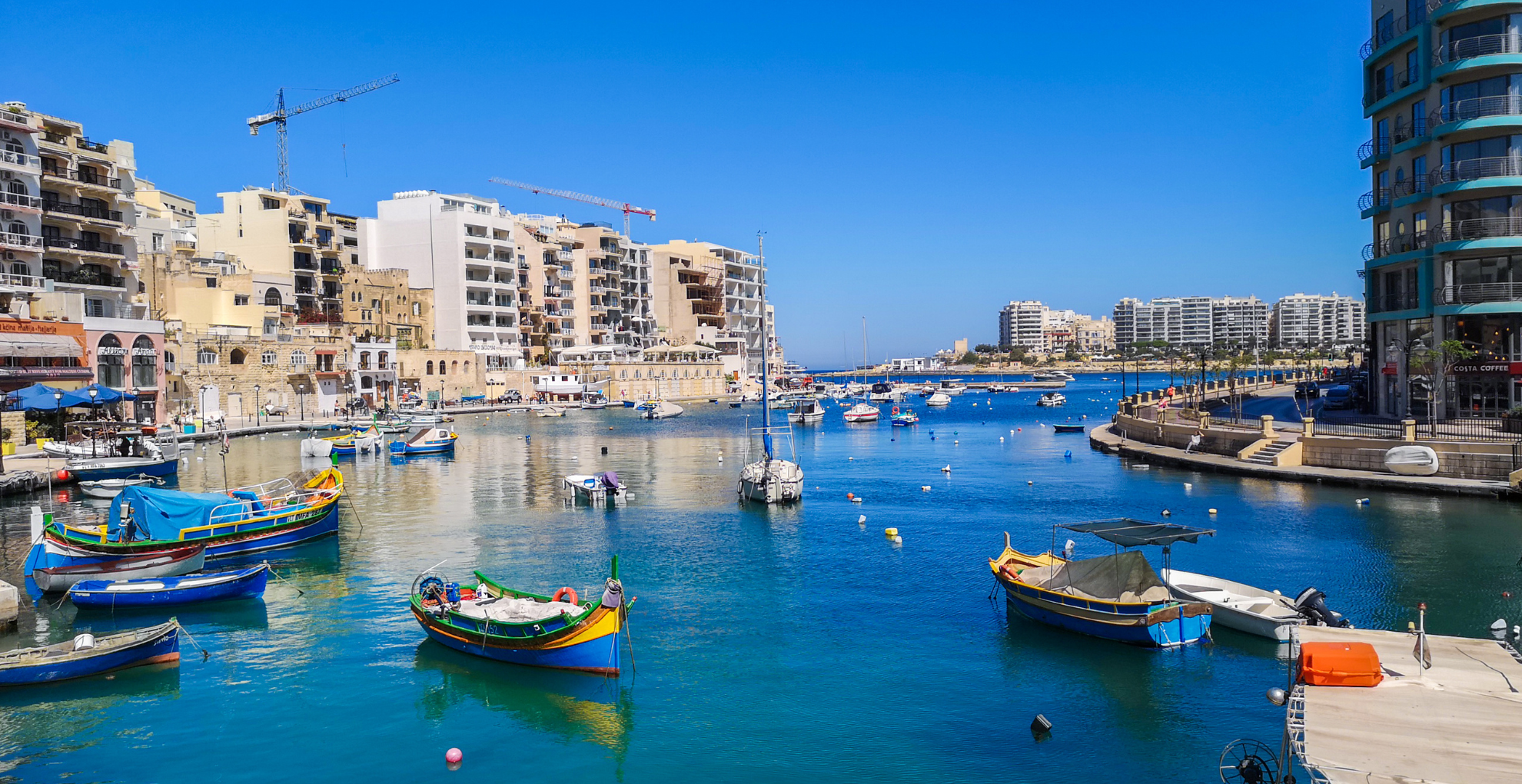
With just over 300 square kilometres of land, Malta is among Europe’s smallest nations. Every residential development, every new commercial project and every infrastructure investment competes for an inherently limited resource.
Meanwhile, demand continues to come from multiple directions.
Local families continue to upgrade or downsize.
Foreign professionals relocate for work.
Retirees seek a warmer climate.
International investors look for long-term stability within the European Union.
Returning Maltese purchase homes after years abroad.
Even during periods of economic uncertainty, these diverse sources of demand help create resilience that larger markets often struggle to achieve.
Buyers Have Changed
What has changed significantly is not the demand for Malta, but what buyers expect.
Today’s purchasers are considerably more informed. They are looking beyond square metres and sea views.
Energy efficiency, outdoor living, parking, natural light, quality construction and thoughtful design have become increasingly important. Buyers are asking tougher questions and comparing properties more carefully than ever before.
This is a healthy evolution.
It rewards quality and encourages better development, benefiting both homeowners and the wider market.
Looking Beyond the Headlines
Property markets are often judged by monthly statistics or isolated price movements.
While these indicators are useful, they rarely tell the whole story.
Real estate should always be viewed through a longer-term lens.
Malta’s appeal has never rested on speculative growth alone. Its strength comes from a combination of political stability, EU membership, international accessibility, economic diversity and, perhaps most importantly, an exceptionally limited supply of land.
These are structural advantages rather than temporary trends.
Experience Matters More Than Ever
In a market that continues to evolve, understanding the local landscape has become just as important as understanding property values.
The best opportunities are not always the most heavily advertised, and the right advice often extends far beyond simply arranging a viewing. It requires an appreciation of neighbourhoods, planning considerations, lifestyle requirements, investment objectives and how the market is changing over time.
This is where local expertise makes the greatest difference—not by predicting tomorrow’s headlines, but by helping buyers and sellers make informed decisions based on experience rather than speculation.
After more than two decades assisting both local and international clients, we have learned that Malta’s property market is ultimately driven by people. Every enquiry, every relocation and every investment reflects someone’s confidence in the island’s future.
As long as Malta continues to offer the lifestyle, stability and opportunities that attract people from around the world, demand for quality property is likely to remain one of the country’s defining characteristics.
The conversation should no longer be whether Malta remains desirable. The more important question is how the island continues to grow while preserving the qualities that made so many people fall in love with it in the first place.